
How to Sew Two Pieces of Fabric Together
January 2026
|
Whether you’re new to sewing or brushing up on your techniques, learning how to sew two pieces of fabric together is a foundational skill you’ll need to create everything from quilts to clothing.
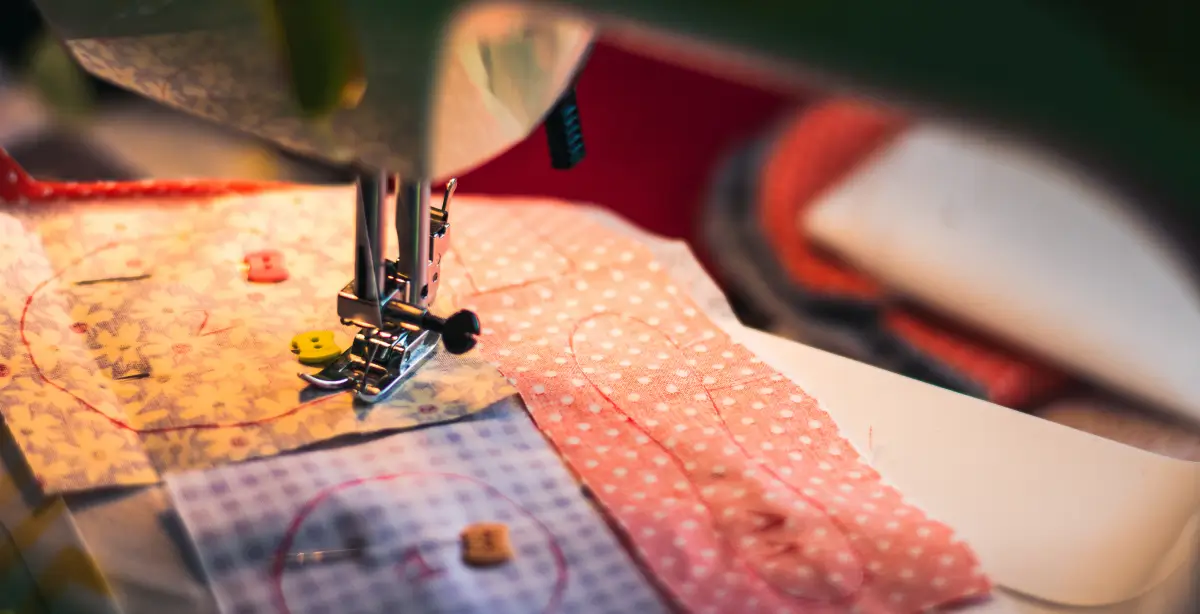
While the process is straightforward, a few key techniques will help you achieve strong, neat, and professional-looking seams every time. Follow these steps to master the basics and set yourself up for sewing success.
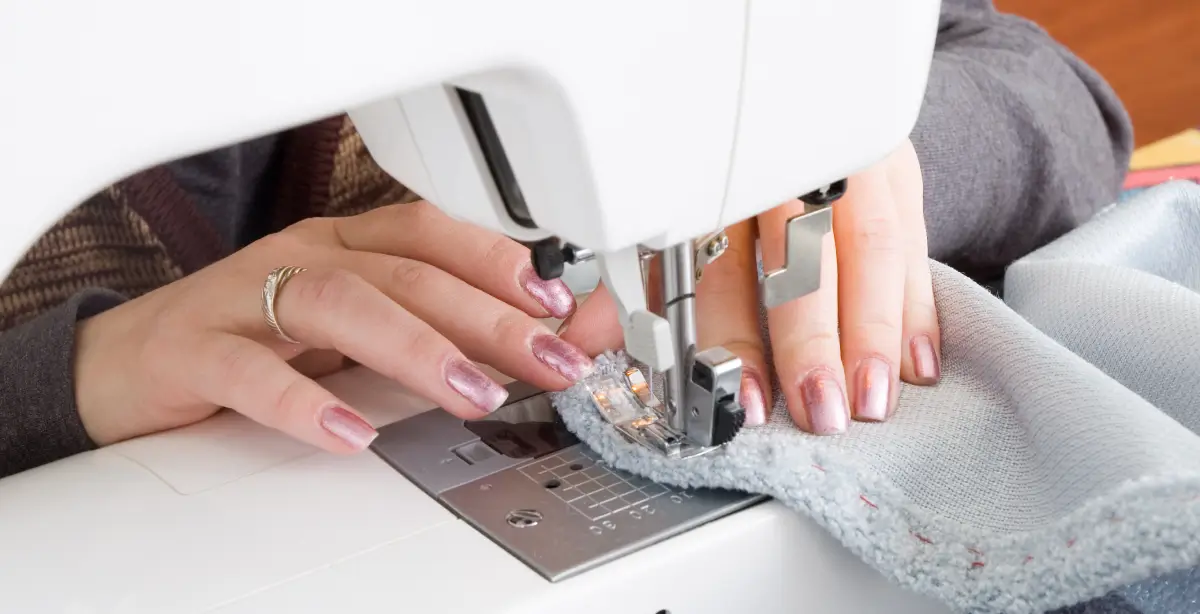
Step 1. Choose and Prepare Your Fabric
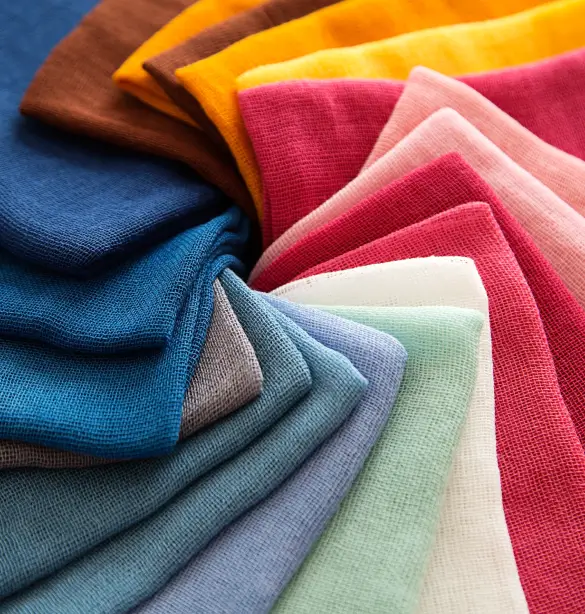
Start by selecting the right fabric for your project. For beginners, cotton is an excellent choice because it’s easy to handle and doesn’t stretch much. Wash and dry your fabric before sewing to prevent shrinkage later. Iron out any wrinkles so the fabric pieces lay flat, making them easier to align.
Step 2. Align and Pin the Pieces
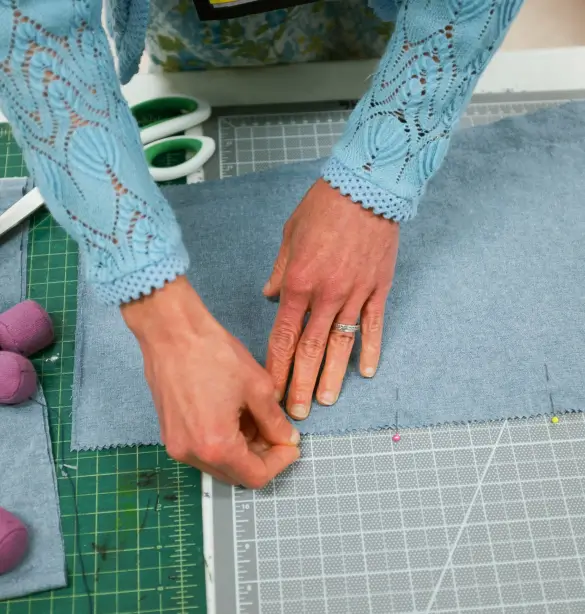
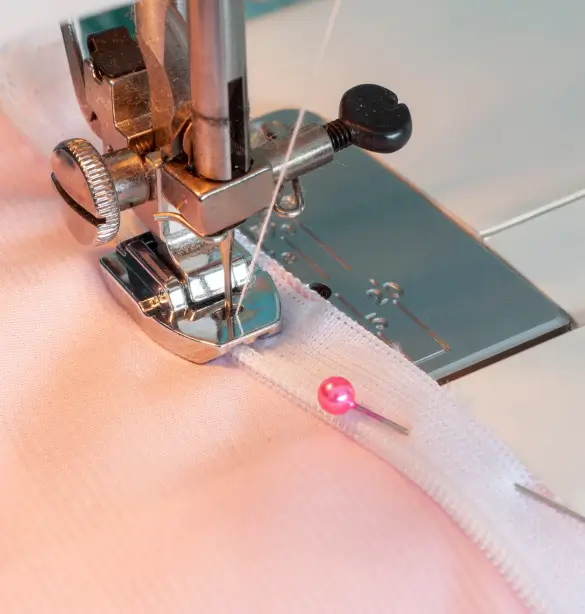
Place the two fabric pieces with right sides facing. This way, the seam will be hidden inside when turned. Use straight pins perpendicular to the edge where you plan to sew, spacing them every few inches. This keeps the fabric from shifting as you work.
Step 3. Set Up Your Sewing Machine
Thread your machine with the appropriate thread for your fabric type and color. For most cotton fabrics, a universal needle size 80/12 and standard polyester thread work well. Adjust the stitch length to around 2.5 mm for a standard seam. Test your settings on a scrap of fabric before starting on your project.
Step 4. Sew the Seam
Position the fabric under the presser foot so the needle starts about 5/8 inch from the edge; this is your seam allowance. Lower the foot, backstitch a few stitches to secure, then sew forward along the pinned edge, removing pins as you go. (You don’t want your sewing machine needle to hit a pin, because it could break or bend the needle.) Backstitch again at the end to lock the stitches.
Step 5. Finish the Edges
Raw fabric edges can fray over time, so finish them to increase durability. You can use pinking shears for woven cotton, sew a zigzag stitch along the seam allowance, or serge the edges if you have a serger. Press the seam open or to one side for a polished look.
How to Sew Two Pieces of Fabric Together by Hand
If you don’t have a sewing machine, you can still create strong seams with basic hand-stitching techniques. Start by placing your fabric pieces with right sides together and pinning perpendicular to the edge. Thread a needle with about 18-24 inches of thread, knotting one end. For a sturdy seam, use a backstitch: insert the needle about 5/8 inch from the edge, stitch backward to anchor, then bring the needle forward past your starting point and repeat. This creates overlapping stitches that hold the fabric securely. Finish by knotting the thread at the end and trimming the excess.
Tips and Tricks for Seam Perfection
A few small adjustments can make a big difference in the quality and appearance of your seams. Keep these handy tips in mind to ensure every project looks neat, professional, and is stitched to last.
- Pre-wash your fabric to minimize shrinkage and remove manufacturing residues.
- Press as you go. An iron helps set stitches and create crisp seams.
- Match thread color to your fabric for a clean, professional look.
- Use a zigzag stitch on fabrics that tend to unravel easily, such as loosely woven cotton or linen.
- Adjust the tension on your sewing machine to prevent puckering, especially with lightweight fabrics.
- Handle slippery fabrics by using more pins or a walking foot attachment.
- Mark seam allowances with chalk or a fabric pen for better accuracy.
Create Your Next Project With Marshall Dry Goods Fabrics
The right fabric makes all the difference when it comes to sewing quality seams. At Marshall Dry Goods, you’ll find thousands of fabrics—quilting cottons, flannels, and more—just waiting to inspire your next project. Whether you’re sewing your first pillowcase or piecing together a show-stopping quilt, our fabrics deliver the durability, color, and style you need. Browse our collections today and bring your ideas to life!
FAQs: How to Sew Two Pieces of Fabric Together
Before you thread your needle, here are answers to common questions new stitchers often ask.
What's the easiest fabric for beginners to sew?
Medium-weight cotton is ideal because it’s stable, easy to cut, and doesn’t stretch.
How do I keep my seams straight?
Use the seam guides on your sewing machine’s throat plate and keep a steady hand as you feed the fabric.
Can I sew without a sewing machine?
Yes, hand sewing with a running stitch or backstitch works, though it takes longer and may not be as strong as a machine stitch.
How do I prevent fabric from fraying?
Finish edges with pinking shears, a zigzag stitch, or a serger.
Do I need to backstitch every seam?
Yes, backstitching at the start and end keeps stitches from unraveling.

Many of us have grown up in the sewing culture not realizing the simple things we take for granted – the techniques we somehow inherited, or just came by…
While many of you already know about Marshall Dry Goods, nestled in the heart of Batesville, Arkansas, some of you may have never darkened our doors…
Learning from the mistakes, successes and the experiences of others who have already been down the road is a huge key to sewing success…